
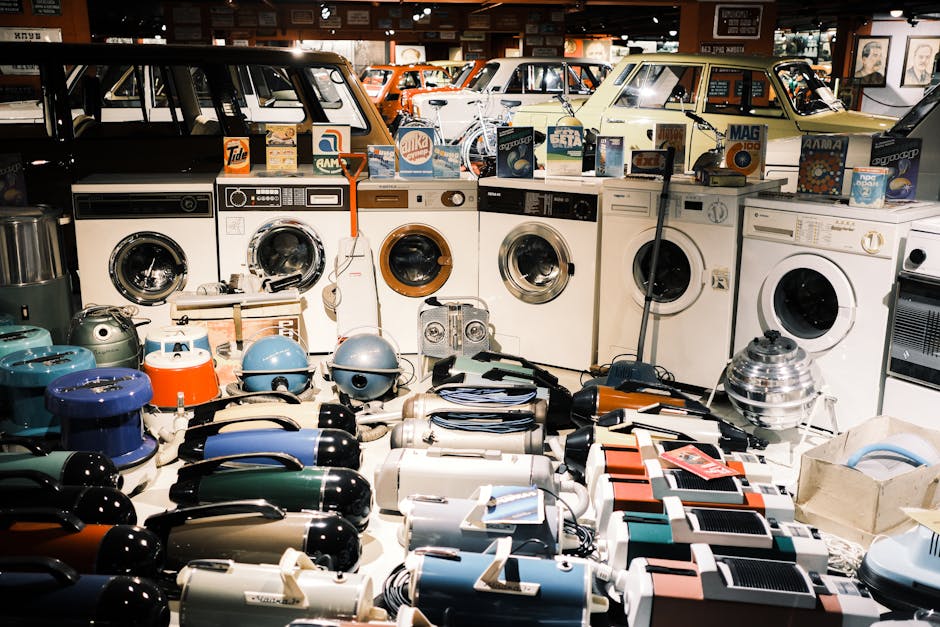
5 Garden Machinery Myths That Drain Your Wallet
Alright, let’s cut to the chase. I’ve been taming my yard, and more than a few others, for over twenty years. I’ve bought the “bargains,” splashed out on the “premium” gear, and spent countless weekends swearing at engines that wouldn’t start or batteries that died too fast. If there’s one thing I’ve learned, it’s this: the biggest misconception in garden machinery is thinking you’re saving money by buying cheap.
You’re not. You’re actually setting yourself up for frustration, repeat purchases, and ultimately, a much bigger bill. I’m here to tell you what actually works, what’s worth the cash, and what you should absolutely avoid. Consider this your roadmap to making smart buys for your yard, based on years of muddy boots and tool shed regrets.
Common Misconception & Why Cheap Doesn’t Save You Money
It’s an old trap, isn’t it? You see a petrol lawn mower for $199 or an electric trimmer for $49, and your brain immediately thinks “deal!” I&ve fallen for it too many times. What these “deals” don’t tell you is the hidden cost that stacks up over time. They lure you in with a low sticker price, but the true cost of ownership is where they hit you.
These entry-level machines often use cheaper components: plastic gears, weak motors, and notoriously unreliable batteries. They’re designed to last just past their warranty period, maybe a season or two if you’re lucky, before something crucial fails. The engine seizes, the plastic deck cracks, or the battery simply refuses to hold a charge anymore. Then you’re back in the store, buying another one. That’s not saving money; that’s renting an inferior tool.
The Real Cost of “Value” Buys
Think about replacement parts. For many budget brands, finding a specific blade, a new drive belt, or even a compatible battery pack can be a nightmare. Often, the parts aren’t even available, or they cost so much it’s cheaper to just buy a whole new machine. This cycle of buying, breaking, and replacing is what truly drains your wallet. I once bought a “value” string trimmer, thinking I’d save a few bucks. The head broke after three uses. No replacement part available. Straight into the bin, $70 wasted. My current Ego Power+ trimmer, which cost me closer to $200, has lasted me five years without a single issue.
Durability isn’t just about the main components. It’s about the little things: solid wheels that don’t wobble, comfortable grips that don’t blister your hands, and switches that don’t feel like they’ll snap off. These aspects significantly improve the user experience and, crucially, the longevity of the tool. A tool that’s comfortable to use gets used more often and makes yard work less of a chore.
Maintenance vs. Replacement: A Hard Truth
Quality tools are designed to be maintained, not just replaced. A good petrol mower from Honda or a top-tier cordless system from Stihl or Husqvarna, for instance, has readily available parts and a network of service centers. You can replace a spark plug, sharpen a blade, or swap out a battery pack. This proactive maintenance extends the life of your equipment for years, sometimes decades. My dad’s old Honda mower is still running strong after 25 years, albeit with a few minor repairs over that time. Try that with a $150 special from a big box store.
Investing in better machinery upfront means fewer headaches, less time wasted on repairs or shopping for replacements, and ultimately, a lower overall cost of ownership. It also means you get better performance, which makes the job easier and faster. This isn’t just about saving money; it’s about saving time and your sanity.
Electric vs. Petrol Mowers: My Hard-Learned Preferences

Look, I’m just going to say it: for most residential yards, petrol mowers are almost always overkill now. I know, I know, some people swear by the roar and the smell of gasoline. I used to be one of them. But after years of wrestling with pull cords, dealing with stale fuel, and getting oil changes, I’ve firmly planted my flag in the battery-powered camp. Modern cordless electric mowers have closed the power gap significantly, and the convenience factor is simply unmatched.
The only exception I’d make is for truly massive properties (over an acre) or very heavy-duty commercial use. For anything else, the benefits of battery power far outweigh the old-school petrol appeal. The technology has advanced dramatically in the last five years, making “wimpy electric” a thing of the past. Strong motors and high-voltage batteries deliver incredible torque and run times now.
Noise, Fumes, and Starting Headaches
Think about the experience of using a petrol mower. The noise is deafening, often requiring ear protection. The fumes are unpleasant, and not great for your lungs or the environment. And then there’s the starting ritual: priming, choking, pulling, pulling again, maybe a prayer, and then finally, if you’re lucky, it sputters to life. My old petrol mower would always give me trouble after sitting for a few months. Carburetor cleaning, spark plug checks — it became a project just to get it going. Plus, storing gasoline requires care and proper containers, which is another hassle.
These aren’t minor inconveniences; they add up to a less enjoyable, more laborious yard work experience. When a task is harder, you’re less likely to do it regularly, leading to an overgrown yard and even more work down the line. I once put off mowing for three weeks because I dreaded trying to start my old petrol beast.
The Case for Battery Power
With a battery mower, you press a button, and it starts. Every. Single. Time. No pull cord, no fumes, significantly less noise (you can often have a conversation while it’s running). Just pop in a charged battery, and you’re good to go. The maintenance is minimal: keep the blade sharp, clean the deck. That’s it. No oil changes, no fuel filters, no spark plugs. Charging a battery is as simple as plugging in your phone.
The best part? Many brands, like Ego Power+ and Greenworks, have interchangeable battery systems. One battery powers your mower, trimmer, hedge trimmer, and even a chainsaw. This reduces clutter, saves money on extra batteries, and simplifies your entire garden tool collection. This ecosystem approach is a massive win, allowing you to build out a powerful suite of tools over time.
Best Cordless Lawn Mowers I’d Buy (2026 Edition)
If you’re ready to ditch the petrol and cords, these are the battery-powered lawn mowers I’d recommend in 2026. I’ve used or thoroughly researched all of them, and they represent the best balance of power, run time, and overall value. Prices are approximate and can vary with sales or battery configurations.
1. Ego Power+ LM2102SP: The All-Rounder
- Model: Ego Power+ LM2102SP (21-inch, Self-Propelled)
- Battery: 56V 5.0Ah ARC Lithium (often bundled with 7.5Ah or 10.0Ah for longer runtimes)
- Key Features: Self-propelled, LED headlights, easy push-button start, weather-resistant construction, compact storage.
- Approx. Price: $550-$750 (with battery and charger)
This is my personal favorite and what I currently use. The Ego Power+ ecosystem is incredibly robust. The LM2102SP offers phenomenal power, easily tackling thick grass without bogging down. The self-propelled function is smooth and adjustable, which is a lifesaver on sloped lawns. I get about 45-60 minutes of run time with the 7.5Ah battery on a medium-sized lawn (0.25 acre). The fast charger gets the battery topped up in under an hour. Build quality is excellent, and it folds up neatly for vertical storage, saving precious garage space.
2. Greenworks Pro 60V 21-inch: For Bigger Yards
- Model: Greenworks Pro 60V 21-inch Self-Propelled Mower
- Battery: 60V 5.0Ah or 6.0Ah (often bundled)
- Key Features: Steel deck for durability, brushless motor, smart cut technology (adjusts power to grass thickness), vertical storage.
- Approx. Price: $500-$700 (with battery and charger)
Greenworks Pro 60V series is another strong contender, especially if you have a slightly larger yard or need a steel deck for added durability. The 60V system delivers serious power, comparable to many petrol mowers. Users consistently praise its ability to handle tough conditions. The “Smart Cut” technology is genuinely effective, optimizing battery life by only using the power needed. The build feels sturdy, and it’s a great option if you find an Ego system to be a bit out of budget but still want top-tier performance.
3. Ryobi HP Brushless 40V 20-inch: Solid Value
- Model: Ryobi HP Brushless 40V 20-inch Self-Propelled Mower
- Battery: 40V 6.0Ah or 7.5Ah (often bundled)
- Key Features: Foldable handles, LED headlights, single-point height adjustment, quiet operation.
- Approx. Price: $400-$600 (with battery and charger)
For those looking for a slightly more budget-friendly option without sacrificing too much performance, the Ryobi HP Brushless 40V is an excellent choice. Ryobi has a massive 40V battery ecosystem, so if you already own Ryobi tools, this is a no-brainer. While perhaps not quite as powerful as the Ego or Greenworks Pro, it’s more than capable for most suburban lawns. The build quality is solid for the price point, and the HP Brushless motor ensures decent power and efficiency. It’s a fantastic entry point into reliable cordless mowing.
Trimmers & Edgers: Corded is Often a Waste of Time

Just don’t do it. Seriously, if you’re still wrestling a cord around your yard trying to trim edges or clear weeds, you’re making your life unnecessarily difficult. The minor price difference between a corded trimmer and a decent battery-powered one is absolutely worth it for the sheer freedom and convenience. You’ll thank me later.
Hedge Trimmers and Chainsaws: Power Needs & Safety Features
These are the tools where battery power truly shines for the average homeowner. The instant start, lack of fuel, and reduced noise make them far more approachable than their petrol counterparts, especially for occasional use. However, you still need enough power for the job. Don’t skimp here, especially on chainsaws.
Battery Hedge Trimmers Compared
When picking a hedge trimmer, consider blade length and battery voltage. Longer blades mean fewer passes on large hedges, but they can be heavier. Higher voltage usually translates to more power and longer runtimes, crucial for thicker branches.
| Model | Battery Voltage | Blade Length | Key Features | Approx. Price (Tool Only) |
|---|---|---|---|---|
| Ego Power+ HT2400 | 56V | 24 inches | Brushless motor, dual-action hardened steel blades, rotating handle. | $170 |
| Greenworks Pro HT60L00 | 60V | 26 inches | Brushless motor, rotating rear handle, up to 1-inch cutting capacity. | $150 |
| Ryobi 40V HP Brushless RY40640 | 40V | 24 inches | Brushless motor, rotating handle, anti-jamming system. | $160 |
I’ve used the Ego HT2400 extensively, and the rotating handle is a for vertical cuts. It makes shaping hedges much less awkward. The brushless motors on all these options mean they’re efficient and powerful enough for most residential hedges, even those with slightly thicker branches.
Portable Chainsaws: What to Look For
For chainsaws, bar length and chain speed are critical. Don’t get a tiny 8-inch “pruning” saw if you’re planning to cut anything larger than 4-inch diameter branches. Safety features like chain brakes and low kickback bars are non-negotiable.
| Model | Battery Voltage | Bar Length | Key Features | Approx. Price (Tool Only) |
|---|---|---|---|---|
| Ego Power+ CS1800 | 56V | 18 inches | Brushless motor, chain kickback brake, tool-free chain tensioning. | $280 |
| Stihl MSA 161 T (Top-Handle) | 36V (AP System) | 12 inches | Lightweight, high chain speed, professional-grade build for tree work. | $400 |
| Husqvarna 540i XP | 36V (BLi System) | 14-16 inches | Professional performance, excellent power-to-weight ratio, weatherproof. | $600 |
For homeowners, the Ego CS1800 is an outstanding option for felling small trees and limbing. It’s got enough power for most tasks, and the tool-free tensioning is a blessing. If you’re doing more serious tree work or have extensive property, the Stihl MSA 161 T or Husqvarna 540i XP are professional-grade machines that offer incredible performance but come at a significantly higher price point. They are built for consistent, heavy use. Remember, safety first with chainsaws; always wear appropriate PPE.
Pressure Washers: Why PSI isn’t the Only Metric
Everyone focuses on PSI (pounds per square inch) when buying a pressure washer. “I need 3000 PSI!” they say. While PSI indicates the force of the water spray, it’s only half the story. GPM (gallons per minute) is just as, if not more, important for actually getting things clean efficiently. Think of it this way: PSI blasts the dirt, but GPM flushes it away.
A high PSI with low GPM is like trying to wash your car with a squirt gun set to “jet.” You get a powerful, narrow stream, but it takes forever to cover an area. A good balance of both means you’re not just blasting a tiny spot, but also moving a significant volume of water to rinse away the grime quickly. For general home use — cleaning decks, siding, cars — you want a pressure washer with at least 1.4 GPM, ideally closer to 1.8 GPM, alongside a respectable PSI.
Understanding GPM and Pump Types
The pump is the heart of your pressure washer. There are generally three types: wobble plate, axial cam, and triplex. Wobble plate pumps are found in entry-level electric models and are the least durable, usually not repairable. Axial cam pumps are common in mid-range models (both electric and gas) and offer better longevity. Triplex pumps are the gold standard, found in commercial-grade machines. They are designed for heavy use, are fully repairable, and offer the best performance and lifespan.
For home use, an axial cam pump is usually sufficient. Look for brands that specify their pump type, as this is a key indicator of durability. If they don’t mention it, it’s probably a wobble plate, and while fine for very occasional light duty, it won’t last as long.
Induction Motors vs. Universal Motors
In electric pressure washers, the type of motor makes a huge difference in performance and longevity. Universal motors are lighter, cheaper, and found in most budget electric pressure washers. They run at higher RPMs, are noisier, and tend to wear out faster due to brushes. Induction motors, on the other hand, are heavier, more durable, quieter, and generally last much longer. They run at lower RPMs and don’t have brushes that wear out. Always opt for an induction motor if your budget allows. It’s a clear upgrade in terms of reliability and user experience. My Sun Joe SPX3000, for example, uses a universal motor and it’s been okay, but my Ryobi 2300 PSI (with an induction motor) is noticeably quieter and feels more robust.
My Top Recommendation for a Small Yard (and a Big One)
If you have a typical suburban yard — say, up to 0.3 or 0.4 acres — my absolute top recommendation is to invest in the **Ego Power+ 56V system**. Start with their 21-inch self-propelled lawn mower (LM2102SP). It’s powerful, quiet, and a joy to use. Then, gradually add their string trimmer, hedge trimmer, and even a leaf blower. Their batteries are interchangeable, high-capacity, and charge quickly. The tools are well-built, reliable, and the overall user experience is fantastic. You’ll spend a bit more upfront, perhaps $1500-$2000 for a full suite of tools over time, but you won’t regret it. It’s the best blend of performance, convenience, and longevity for the average homeowner.