Home Organization Ideas With Kids: Stop Cleaning, Start Systems That Work
On an average day, a family with two young children spends 45 minutes just picking up toys. That’s 273 hours a year — almost 12 full days — spent moving LEGO bricks from the floor to a bin and back again. The problem isn’t that kids are messy. The problem is that most home organization ideas with kids assume children will want to tidy up. They won’t. So you need systems that work despite them.
Here are five concrete strategies that cut daily cleanup time by at least 60%, based on what actually survives contact with a toddler.
The 10-Minute Daily Reset: Why Evening Cleanup Fails and What to Do Instead
Most parents try to clean the entire living room after the kids go to bed. That’s the wrong time. By 8 PM, you’re exhausted, the toys have migrated into three rooms, and you’re facing a 45-minute slog. The fix is a 10-minute reset done before dinner, not after.
How it works: Set a timer for exactly 10 minutes. Everyone participates — including adults. No one leaves the room until the timer goes off. The goal isn’t perfection. It’s “good enough to walk through without tripping.”
Here’s the exact breakdown for a standard living room with toy overflow:
- Minutes 1-3: All large items (stuffed animals, pillows, blankets) go into their assigned bins. No sorting yet.
- Minutes 4-6: Medium items (blocks, cars, puzzle boxes) get tossed into category bins. Imperfect sorting is fine.
- Minutes 7-8: Small pieces and loose items get swept into a “mystery bin” — a single container for anything you don’t have time to categorize.
- Minutes 9-10: One adult does a quick vacuum of the high-traffic zone while kids return books to the shelf.
The key insight: don’t aim for Instagram-ready organization. Aim for “nobody steps on a LEGO tonight.” The mystery bin gets sorted once a week, not every day.
One family I know uses the IKEA Trofast system ($15 per bin, $25 for the frame) for this exact purpose. The bins are shallow enough that kids can see what’s inside without dumping everything out. They’re also lightweight — a three-year-old can carry one. That’s not an accident. IKEA designed them for children’s rooms.
The Category Trap: Why Sorting Every Toy Is a Waste of Time
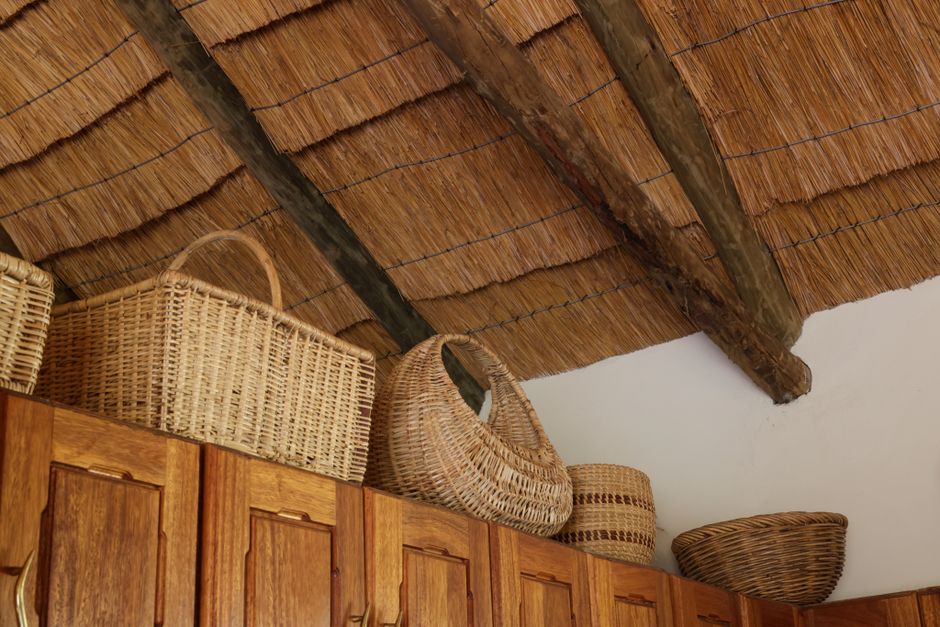
Here’s a mistake almost every parent makes: they buy a 12-bin organizer and label each bin — “LEGO,” “cars,” “dolls,” “art supplies.” Then they spend 20 minutes every evening sorting items into the correct bin. The kids never do it. Within a week, the labels are meaningless.
The better approach: three categories only.
| Category | What Goes In | Bin Style | Example Product |
|---|---|---|---|
| Open Play | Frequently used toys (blocks, cars, dolls) | Open-top, shallow, no lid | IKEA Trofast shallow bin ($15) |
| Rotating | Toys used weekly (puzzles, board games, craft kits) | Covered bin, stackable | Sterilite 6-quart clear bin ($8 for 3-pack) |
| Archive | Toys used rarely (seasonal, outgrown, special sets) | Large opaque bin, labeled with date | IRIS 56-quart weathertight bin ($12 each) |
The Open Play bins sit on a low shelf where kids can reach everything. No lids, no labels. Just grab and play. The Rotating bins go on a higher shelf — you pull them down when needed. The Archive bins go in the basement or top of a closet.
This system works because it respects how children actually play. A three-year-old doesn’t think “I want to play with cars, so I’ll take the cars bin.” They grab whatever is visible. If it’s hidden behind a lid, they’ll dump the entire bin to find one piece. Open bins eliminate that behavior.
Pro tip: The Melissa & Doug wooden block set (60 pieces, $25) is a perfect candidate for an Open Play bin. The LEGO DUPLO farm set ($35) belongs in Rotating — it’s used weekly, not daily. The Christmas train set goes straight to Archive.
Vertical Storage: The Single Most Underused Space in Kids’ Rooms
Walk into most kids’ rooms and the floor is covered. The walls are bare. That’s backwards. Vertical storage doubles usable space without making the room feel smaller.
The IKEA Kallax shelf unit ($69 for the 4×4 cube version) is the gold standard here. Not because it’s beautiful — it’s not — but because the cube size (13 inches square) matches most toy bins perfectly. You can fit four Trofast bins in a 4×4 Kallax. That’s 16 bins of storage in a footprint that’s 30 inches wide.
Here’s the trick most people miss: don’t fill the bottom row with bins. Leave the bottom two cubes empty or put a small basket there. Kids need a place to toss things quickly. If every cube is a “put it away carefully” zone, they’ll leave everything on the floor.
Wall-mounted pegboards are another option. The IKEA Skådis pegboard ($20 for the 22×22 inch board, plus $15 for hooks and containers) works well for art supplies, small toys, and accessories. Hang it at child height — 30 inches from the floor — so they can reach everything. Use the deep hooks ($4 for a 5-pack) for bags of LEGO pieces or doll accessories.
One hard rule: Never mount shelves above a child’s bed. A falling toy at 3 AM is a safety hazard, not a storage solution. Keep all wall storage at least 12 inches below the ceiling and away from sleeping areas.
The Rotation System: Why Less Choice Means More Play

Here’s a counterintuitive fact: kids play more with fewer toys. A study from the University of Toledo found that toddlers with fewer toys (4 vs. 16) played with each toy for twice as long and engaged in more creative play. The problem is that most homes have 50+ toys visible at all times.
The solution is a toy rotation system. Here’s exactly how to set one up:
- Pull everything out. Every toy, every bin, every forgotten Happy Meal prize. Sort into three piles: keep, donate, trash. Be ruthless. If a child hasn’t touched a toy in 3 months, it goes to donate.
- Divide the keep pile into 4 groups. Each group should fill one Open Play bin (the shallow Trofast bin holds about 15-20 small toys or 5-6 larger ones).
- Put Group 1 in the play area. Groups 2-4 go into Archive bins labeled “Rotation 2,” “Rotation 3,” “Rotation 4.”
- Rotate every 2 weeks. Swap Group 1 for Group 2. The old toys feel new again. The child actually plays with them.
This system works because it creates scarcity. When a child knows the LEGO set will disappear in two weeks, they’re more likely to build with it today. When they have 50 sets available, they build nothing.
Warning: Don’t tell your child about the rotation. If they know the toys are coming back, they’ll ask for them. Just swap quietly. Most kids don’t notice. The ones who do are old enough to understand the system — let them help choose which toys go into the next rotation.
The Container Store sells a clear 27-quart bin ($10) that’s perfect for rotation groups. The clear sides let you see what’s inside without opening it. Label each bin with a number (1-4) using a P-Touch label maker ($25) so you know which group is next.
When Not to Organize: The Case for Controlled Chaos Zones
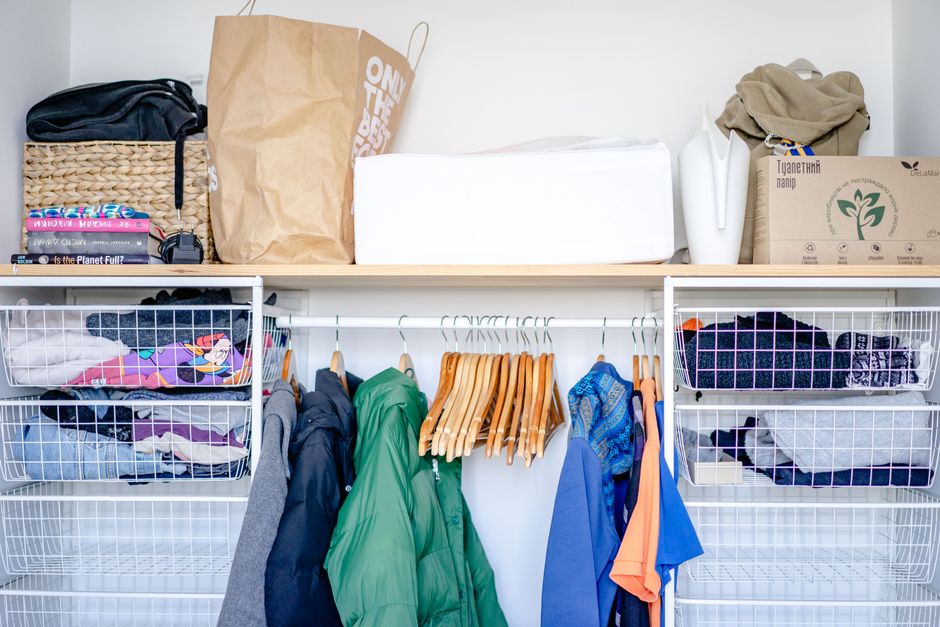
Not every inch of your home needs to be organized. In fact, trying to organize everything guarantees you’ll burn out within a month.
Designate one zone per room as “controlled chaos.” This is a specific area where toys can be left out without consequence. In the living room, it might be a corner with a small rug and a basket. In the kitchen, it’s a low drawer filled with plastic cups and spoons. In the bedroom, it’s a single shelf.
The rule: anything in the chaos zone stays there. It doesn’t migrate to the coffee table, the dining table, or the hallway. If a toy leaves the zone, it gets a warning. Second offense: the toy goes into a “time-out bin” for 24 hours. Kids learn fast.
What belongs in the chaos zone: High-engagement toys that kids play with for 20+ minutes at a time. LEGO sets, train tracks, dollhouses, art projects in progress. These are the toys that create the most mess because they require the most setup. Forcing a child to clean up a half-built LEGO castle every evening is cruel. Let it live in the chaos zone until the project is done.
What does NOT belong in the chaos zone: Anything with small pieces that get lost easily (puzzle pieces, game tokens, craft beads). Anything that creates a safety hazard (tricycles, scooters, large blocks in a walkway). Anything that belongs to a sibling who isn’t playing with it.
The controlled chaos zone is the single most important idea in this entire article. It’s the difference between a system that lasts and one that collapses after three days. Give yourself permission to leave some mess. Pick your battles. Organize the rest.