
Best Vacuum Cleaner Egypt 2024: Top Models for Dust and Allergies
Navigating the appliance market in Egypt requires a specialized understanding of both local architecture and regional environmental challenges. Unlike the relatively “clean” dust found in many Western urban centers, the particulate matter in Cairo, Alexandria, and the burgeoning desert cities like New Cairo or 6th of October is composed of high concentrations of silica sand and fine construction silt. This creates a unique abrasive mixture that can destroy standard vacuum motors and bypass rudimentary filtration systems. To maintain a truly hygienic home, particularly in the Bedroom where air quality directly impacts respiratory health and sleep cycles, selecting a vacuum is an exercise in engineering requirements rather than just aesthetic preference.
The prevailing recommendation for the Egyptian landscape is to prioritize a canister vacuum equipped with a high-grade HEPA filter and a motor exceeding 1800 watts. While cordless sticks are gaining popularity for quick pickups in modern apartments, the fine, silty dust prevalent across the country requires the sustained suction and superior filtration found in corded models. Specifically, the Philips PowerPro Compact and the Samsung Twin Chamber series represent the most effective balance of price, durability, and suction performance currently available on the Egyptian market.
Environmental Engineering: Why Egyptian Homes Demand Specific Suction Specs
Choosing a vacuum in Egypt is not the same as choosing one in a damp, temperate climate. Our homes are characterized by hard flooring—typically ceramic, marble, or polished tiles—and a unique type of atmospheric dust that is finer and more abrasive than what you find in Europe or North America. This dust often originates from the surrounding desert and frequent construction, meaning it can easily bypass low-quality filters and settle back onto your furniture or, worse, inside the vacuum motor itself.
Canister vacuums remain the gold standard here. They offer the highest sealed suction (measured in kilopascals or kPa), which is necessary to pull fine dust out of the deep crevices in marble flooring or from the base of heavy Egyptian rugs. A canister vacuum also provides a larger dust bin capacity, which is essential when you are dealing with the high volume of particulates that accumulate during a khamsin wind season. Furthermore, the sealed nature of a high-quality canister prevents “blowback,” where fine dust is sucked in the front and immediately exhausted out the back of the machine.
Drum vacuums, often referred to as “industrial” or “barrel” vacuums, are another common sight in larger Egyptian villas and multi-story homes. Brands like Tornado and Hitachi dominate this space. These are essentially indestructible tanks. While they lack the maneuverability of a compact canister, their ability to hold 15 to 25 liters of dust makes them the logical choice for expansive floor plans with high ceilings. However, for the average apartment, they are often overkill and difficult to store in standard Egyptian cabinetry.
The Cordless Stick Vacuum Trade-off in High-Heat Zones
Cordless models from brands like Black & Decker or Dyson are tempting for their modern aesthetic and ease of use. But in the Egyptian context, they are often secondary tools rather than primary cleaners. The battery life on many mid-range cordless vacuums (typically 20-40 minutes) is often insufficient for a deep clean of a three-bedroom apartment where every surface needs multiple passes to remove fine grit. If you choose cordless, you must ensure it has a brushless motor and a replaceable battery, as the heat in Egypt can degrade lithium-ion cells significantly faster than in cooler climates. If your primary cleaning goal is the bedroom, a cordless model might suffice for daily maintenance, but it will lack the “deep pull” required for heavy drapery or thick area rugs.
Top-rated Vacuum Cleaner Models in Egypt for 2024

The following models have been selected based on their availability through major retailers like B.TECH and Amazon.eg, their reputation for motor longevity, and the availability of spare parts—a crucial factor in the Egyptian market where localized repair is often necessary and expected.
| Model Name | Approx. Price (EGP) | Core Strength | Main Drawback | Best Suited For |
|---|---|---|---|---|
| Philips PowerPro Compact FC9330/09 | 5,800 – 6,500 | PowerCyclone 5 technology | Small 1.5L dust bin | Modern Apartments |
| Samsung VCC4570S3K (Twin Chamber) | 4,200 – 4,800 | Excellent price-to-power ratio | High noise level (82dB) | Budget-conscious power |
| Bosch Series 4 ProPower BGLS48GOLD | 8,500 – 9,500 | German engineering, quiet | Uses bags (recurring cost) | Allergy sufferers |
| Black & Decker SVA420B (Cordless) | 7,200 – 8,000 | 2-in-1 versatility | Long charging time | Quick daily pickups |
| Hitachi Drum CV-950Y | 9,000 – 11,000 | Massive 18L capacity | Bulky and heavy | Large Villas |
Philips PowerPro Compact (FC9330/09): The Urban Favorite
This is arguably the most popular high-end vacuum in Egypt. The PowerCyclone 5 technology is designed to separate dust from air in one go, which is vital when dealing with fine Cairo silt. It features an Allergy H13 filter (equivalent to HEPA 13), which captures 99.9% of fine dust. For those focusing on the Bedroom—where dust mites can exacerbate asthma and disturb sleep—this filtration level is non-negotiable. The TriActive nozzle is particularly good at opening up rug piles to get the deep-seated grit out.
- Pros: Compact storage, exceptional filtration, no bag costs.
- Cons: The bin fills quickly during sandstorms; requires frequent filter washing.
- Specs: 1800W motor, 1.5L capacity, 6m cord length.
Samsung VCC4570S3K Twin Chamber: The Reliable Workhorse
Samsung’s Twin Chamber system divides the normal dust chamber into two compartments, allowing for improved cleaning and longer-lasting power. One chamber is for the dust particles, and the other is for the cyclonic air path. This prevents the filter from clogging as quickly as single-chamber models. At approximately 4,500 EGP, it is the “workhorse” of Egyptian middle-class households. It is loud—there is no denying that—but its 2000W motor provides raw suction power that few others can match at this price point.
- Pros: Very affordable, powerful suction, widely available spare parts.
- Cons: Extremely noisy, plastic build feels less premium than Bosch.
- Specs: 2000W motor, 1.3L capacity, 360W suction power.
The most common mistake Egyptian buyers make is focusing only on the “Watts” printed on the box. A 2000W motor with a clogged filter will perform worse than a 1200W motor with high-efficiency airflow. In our climate, the ability of the machine to maintain airflow despite dust accumulation is the true measure of quality.
The Bedroom Sanctuary: Filtration for Allergy-Free Sleep
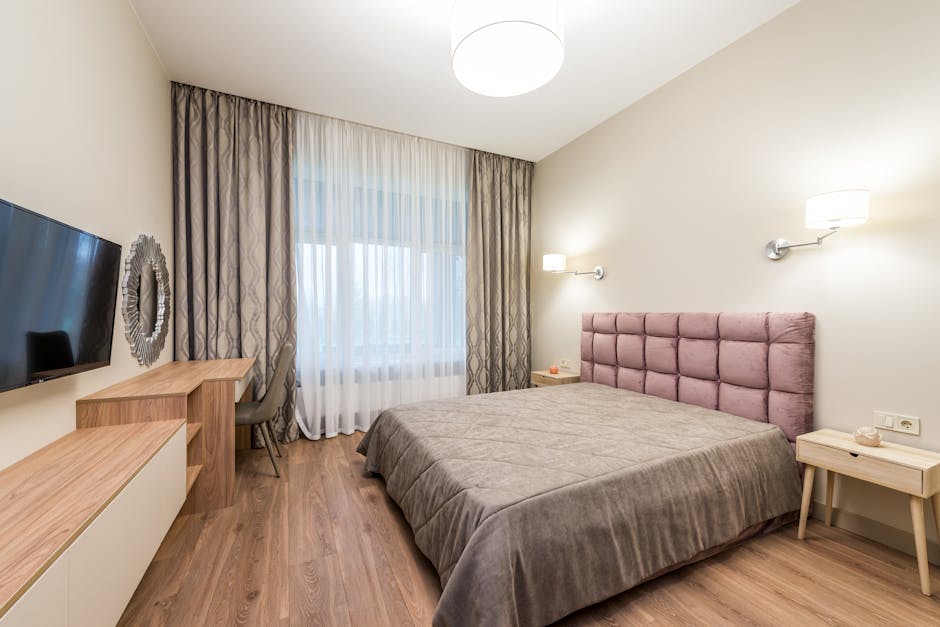
In the context of the Bedroom, the vacuum cleaner serves as a primary health tool. Egyptian bedrooms often feature heavy window treatments (to block the intense sun) and plush rugs, both of which act as magnets for fine desert dust and dust mites. Standard vacuums without HEPA (High-Efficiency Particulate Air) filtration often act as “dust redistributors,” sucking up large particles but venting microscopic allergens back into the bedroom air.
For a healthy sleeping environment, your vacuum must have a sealed system. This means that all the air taken into the machine is forced through the filter before being exhausted. When cleaning the bedroom, it is recommended to vacuum not just the floors, but also the mattress and the tops of curtains. The Bosch Series 4 is particularly adept at this because of its variable power settings; you can lower the suction to safely clean delicate fabrics without “choking” the motor or damaging the textile fibers.
How to Choose a Vacuum for Tile and Marble Floors vs. Thick Rugs
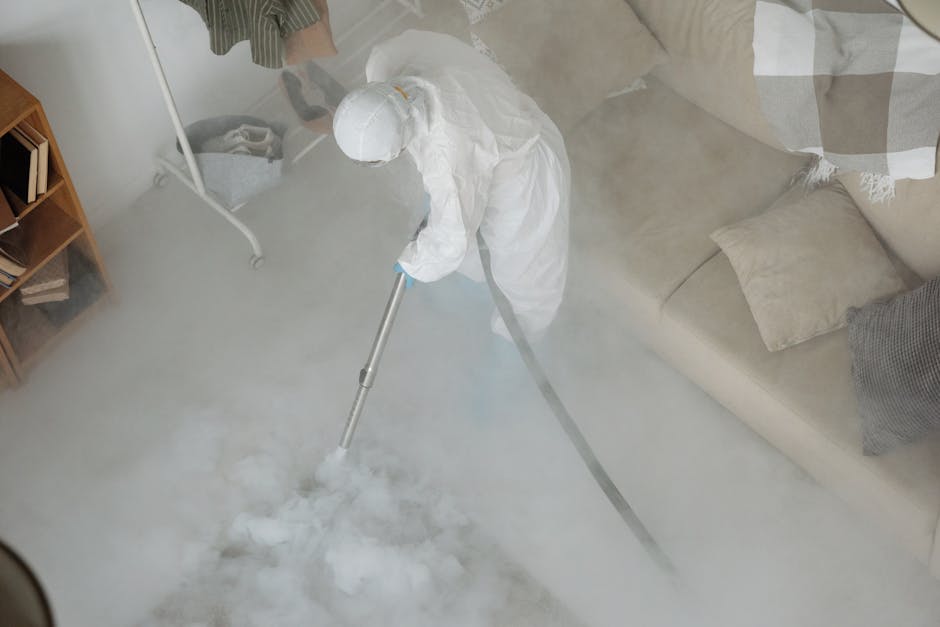
Egyptian interior design often involves a mix of expansive hard surfaces and heavy, ornate area rugs. This dual-nature environment places a specific demand on the vacuum’s brush head. When you are cleaning marble or ceramic tiles, you need a brush that won’t scratch the surface but still has enough “seal” to create a vacuum. Look for heads with a toggle switch that retracts the bristles for hard floors and extends them for carpets.
For those with thick, hand-woven rugs (often found in Egyptian salons and bedrooms), a vacuum with adjustable suction power is mandatory. If the suction is too high and cannot be adjusted, the brush head will simply stick to the rug, making it impossible to move and potentially damaging the fibers. The Bosch Series 4 and higher-end Philips models offer a rotary dial to precisely control the motor speed, which is a life-saver for delicate wool rugs.
The Importance of the “Hard Floor” Tool
If your home is 90% tile or marble, you should look for a model that includes a dedicated parquet or hard-floor nozzle. These nozzles usually feature soft, natural hair bristles that sweep fine dust into the suction path without the risk of the plastic housing dragging against your expensive flooring. Many Philips and Bosch models include this as a secondary attachment. If you are buying a Samsung or a local brand like Tornado, you may need to purchase this attachment separately, but it is worth the investment to protect your floors’ polish and prevent micro-scratches that dull the stone over time.
Strategic Maintenance: Surviving Egypt’s Dusty Climate
A vacuum cleaner in Egypt will fail within two years if it is not maintained differently than it would be elsewhere. The sheer volume of dust means that filters reach their capacity three times faster than the manufacturer’s “standard” estimates. If you notice a change in the pitch of the motor or a decrease in suction, the filter is already dangerously clogged.
For bagless models, the primary filter (usually located just behind the dust bin) should be tapped out after every single use and washed with cold water once a month. It must be 100% dry before being put back—usually requiring 24 hours in the Egyptian sun. Moisture inside a vacuum motor combined with fine dust creates a “mud” that will instantly seize the bearings and void your warranty. This is the single most common cause of motor burnout in Cairo.
HEPA Filter Replacement Cycles
- Pre-Motor Filter: Clean every 3 months. This protects the heart of the machine from the fine sand that bypasses the cyclone. If it looks grey even after washing, replace it.
- Exhaust Filter (HEPA): Replace every 12 months. In Egypt, these cannot simply be “washed” indefinitely. The microscopic pores eventually become permanently blocked by Cairo’s particulate matter, reducing suction and causing the motor to overheat.
- Brush Roll: Check weekly for hair and thread. Many Egyptian households use large rugs that shed fibers; these can wrap around the agitator and cause the belt to snap or the motor to strain.
If you use a bagged vacuum, never wait for the bag to be completely full. Once it is 70% full, the airflow is restricted enough that the motor begins to run hot. In Egypt’s summer heat, an overheating motor is the leading cause of appliance failure. Genuine bags are better than generic ones because they often feature multiple layers of filtration that keep the internal housing of the vacuum pristine, extending the overall life of the appliance by several years.
Common Buying Mistakes in the Egyptian Market
One frequent error is the “Industrial Myth.” Many buyers believe that buying a massive drum vacuum (the “barrel” style) automatically means better cleaning. While these have high capacity, they often lack the sophisticated filtration of smaller canister models. If you live in a dusty area but suffer from allergies, a large Tornado drum vacuum might hold more dirt, but it may also vent more fine dust back into your living room than a compact Philips with a HEPA 13 filter.
Another mistake is ignoring the “Action Radius.” Egyptian apartments often have fewer power outlets than modern Western homes, or outlets placed in inconvenient locations. If you buy a vacuum with a short 5-meter cord, you will find yourself constantly unplugging and re-plugging as you move through the hallway. Look for an “Action Radius” (cord + hose length) of at least 9 meters to ensure you can clean a standard Egyptian bedroom and the adjacent hallway from a single outlet.
Where to Buy and Price Comparisons in Egypt
The retail landscape for home appliances in Egypt is robust, but where you buy can affect your warranty experience. El Araby Group is the titan here, providing excellent after-sales service for brands like Toshiba, Tornado, and Hitachi. If you value peace of mind and long-term repairability, buying a Tornado or Hitachi through an El Araby outlet is a safe bet, as their service centers are ubiquitous.
For international brands like Philips, Bosch, and Black & Decker, B.TECH and Amazon.eg offer the most competitive pricing. B.TECH is particularly useful for those who prefer installment plans (MiniCash), which is a common way to manage the cost of higher-end appliances in the current economy. However, always verify that the seller on Amazon is the official brand store or a highly-rated distributor to ensure you receive a genuine product with a valid warranty card. Note: Prices in Egypt are subject to frequent change due to currency fluctuations; always check for current “offers” which can sometimes slash 15-20% off the MSRP.
The Local vs. Imported Debate
Local brands like Fresh and Kiriazi offer vacuum cleaners at significantly lower prices (often between 2,500 and 3,500 EGP). While these are functional and parts are extremely cheap, they often lack the advanced HEPA filtration found in Philips or Samsung. If someone in your household suffers from dust allergies, the “savings” on a local brand may be offset by the cost of air purifiers or medical needs. For a Bedroom environment, where air quality is paramount for restorative sleep, investing the extra 2,000 EGP into a high-filtration imported model is a scientifically sound decision.
Ultimately, the “best” vacuum is the one you can afford to maintain properly. If you buy a high-end Bosch but cannot afford the replacement bags, it will eventually fail. For most Egyptian apartments, the Philips PowerPro Compact remains the analytical choice: it is bagless, has a world-class filter, and is powerful enough to handle the unique challenges of our desert-adjacent living while keeping your bedroom air clean and breathable.