Closet Organizer Containers: 6 Mistakes That Waste Your Space and Money
I’ve organized seven closets in three houses over the last decade. Bought and returned probably forty different bins, baskets, and drawer dividers. Here’s what I learned the hard way: most closet organizer containers are designed to look good on a shelf at Target, not to actually work in your closet. Here are the six mistakes I see everyone make, and what I actually use now.
Mistake 1: Buying Bins Without Measuring Your Shelf Depth
This is the number one killer. You see a pretty woven bin at The Container Store for $14.99, bring it home, and it sticks out six inches past your shelf. Now you can’t close the closet door. Or it’s too short and leaves a gap that collects dust bunnies.
Measure your shelf depth first. Most standard closets have shelves that are 12 to 14 inches deep. But “standard” is a lie. I’ve seen 11-inch shelves in apartments and 16-inch shelves in custom walk-ins. Write down the depth, width, and height of each shelf before you buy anything.
Here’s the rule I follow: the bin should sit flush with the front edge of the shelf, or stick out no more than one inch. Any more than that and you’re asking for trouble.
For deep shelves (14+ inches), I use the Sterilite 14-Quart ClearView Latch Box ($7.99 each at Target). They’re clear, stackable, and exactly 13.5 inches deep. For shallow shelves (under 12 inches), the mDesign Bamboo Storage Bins ($18.99 for a set of two) are 11 inches deep and look way nicer than plastic.
The one exception: if your shelf is 16+ inches deep, buy two smaller bins side by side instead of one deep one. You’ll actually use the stuff in the back.
Mistake 2: Ignoring the ‘Fabric vs. Hard Plastic’ Tradeoff
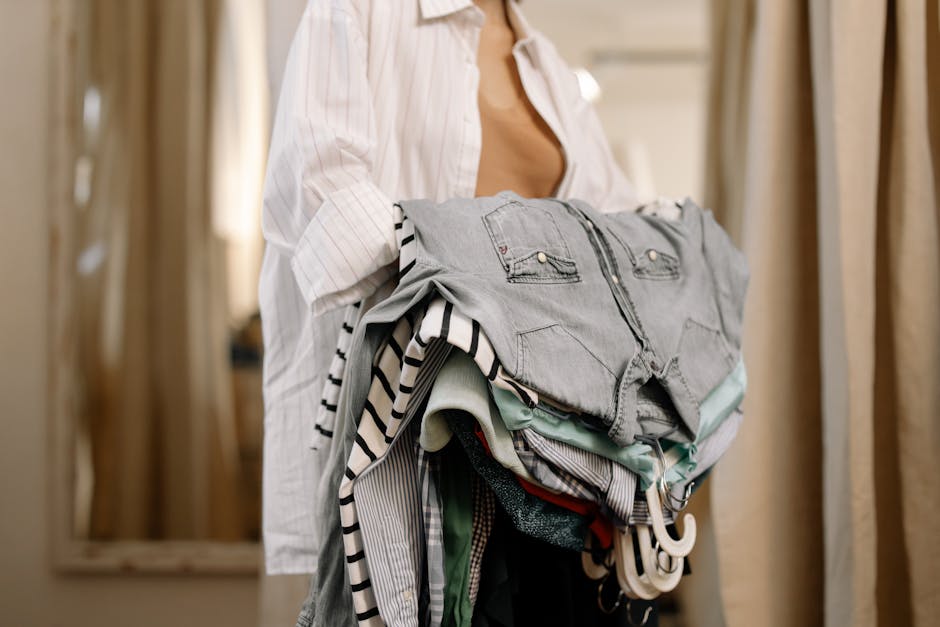
Fabric bins look soft and cozy. Plastic bins are ugly but functional. Everyone defaults to fabric because it matches the Pinterest aesthetic. That’s a mistake.
Fabric bins collapse. After six months, the sides bow out. The bottom sags. You stack them and they look like a drunk Jenga tower. The IKEA SKUBB Box set ($12.99 for a set of six) is the most popular fabric bin on the planet, and I’ve owned three sets. They work fine for lightweight stuff like scarves and t-shirts. But put jeans in them? Collapsed within a year.
Hard plastic bins keep their shape forever. The Sterilite ClearView Latch Box I mentioned above? I’ve dropped one down a flight of stairs. Not a crack. But they’re ugly and you can’t see inside without pulling them out.
My solution: use plastic bins for heavy items (jeans, sweaters, off-season coats) and fabric bins for light items (accessories, workout gear, kids’ clothes). And never buy fabric bins without a rigid frame. The Honey-Can-Do Foldable Storage Cubes ($24.99 for a set of four) have a sewn-in cardboard frame that actually holds its shape for about two years.
Here’s the table I wish someone had given me ten years ago:
| Material | Best For | Worst For | Price Range | Lifespan |
|---|---|---|---|---|
| Clear hard plastic | Heavy items, off-season storage, stackable systems | Open shelving where visible | $5–$15 | 10+ years |
| Fabric (non-rigid) | Light accessories, kids’ toys, temporary storage | Heavy clothing, stacking | $3–$12 | 1–2 years |
| Fabric with rigid frame | Everyday clothing, shelves you see daily | Wet basements, high humidity | $10–$25 | 3–5 years |
| Wicker / bamboo | Decorative open shelving, living rooms | Closets with high dust or moisture | $15–$40 | 5–8 years |
Mistake 3: Buying ‘One Size Fits All’ Drawer Dividers
Drawer dividers are the most frustrating product in home organization. They promise to fix your messy sock drawer. What they actually do is slide around, fall over, and leave gaps that make everything worse.
The problem is that every drawer is a different width. The standard dresser drawer is 28 inches wide. But I’ve measured 24-inch, 30-inch, and even 32-inch drawers in the same house. Those adjustable expandable dividers with the spring-loaded ends? They work for about three weeks. Then the spring weakens, the divider tilts, and your socks migrate into your underwear section.
Buy fixed-width dividers that match your drawer exactly. The IKEA SKUBB Drawer Organiser set ($9.99 for six pieces) is the best value here. Each piece is a fixed 10 inches wide. You buy the quantity you need and they sit flat. No springs. No sliding. I use three of them in my dresser for socks, underwear, and belts.
For deeper drawers (over 6 inches deep), the mDesign Expandable Drawer Dividers ($11.99 each) have a rubber grip on the ends that actually stays put. I’ve had two of them in my nightstand for 18 months and they haven’t moved an inch. But they only work if your drawer has straight sides. If your drawer tapers or has curved corners, skip dividers entirely and use small fabric bins instead.
One more thing: never buy those wooden dividers that come in a pack of four for $5.99 on Amazon. They’re made of MDF, they swell in humidity, and they’ll leave brown marks on your white shirts.
Mistake 4: Stacking Everything Vertically Without Thinking About Access

Stacking bins looks efficient. You see those Instagram closets with ten identical bins stacked to the ceiling and think “that’s the dream.” It’s not. It’s a nightmare.
Here’s the reality: if you stack three bins on top of each other, you will never touch the bottom bin. Ever. It becomes a black hole for stuff you don’t need. I did this with my winter gear. Three stacked bins in the top shelf of my hallway closet. The bottom bin had my heavy sweaters. I didn’t wear a single one of them for two winters because I couldn’t reach the bin without taking the other two down.
Limit stacking to two bins max. If you need more vertical storage, use a shelf riser or a freestanding wire shelf unit instead. The Seville Classics 3-Tier Wire Shelving Unit ($39.99 at Home Depot) gives you three separate shelves at eye level. No stacking required.
For the top shelf where you have no choice but to stack, use bins with handles on the front. The Sterilite 18-Quart Stacker Tote ($8.99) has a handle that folds down but still lets you grab the bin from below. And label everything on the front, not the top. If you have to pull a bin down to read the label, you’ve already lost.
Mistake 5: Using Bins That Don’t Breathe for Clothes You Wear Weekly
This one hurts. I bought a set of airtight plastic bins for my everyday t-shirts. Thought I was being smart. Kept them sealed, kept them organized. Three months later, everything smelled like stale plastic. The shirts felt damp. One white t-shirt had a yellow stain from trapped moisture.
Airtight bins are for long-term storage only. If you’re storing clothes you wear every week, they need airflow. Fabric bins are fine here, or bins with ventilation holes. The Honey-Can-Do Woven Storage Baskets ($19.99 for a set of two) are made of natural seagrass. Air moves through them. Nothing gets musty.
The exception is if you live in a humid climate. I’m in the Pacific Northwest, so moisture is a constant problem. If you’re in Arizona or Colorado, you can probably get away with sealed plastic for everyday use. But if you live somewhere with humidity above 50%, skip the airtight bins for anything you wear more than once a month.
For off-season storage (winter coats in summer, swimsuits in winter), use the airtight bins with a silica gel pack inside. The Sterilite 66-Quart Gasket Box ($19.99) has a rubber seal that actually keeps moisture out. I store my down jackets in these and they come out smelling fresh every fall.
Mistake 6: Forgetting That ‘Pretty’ Bins Collect Dust
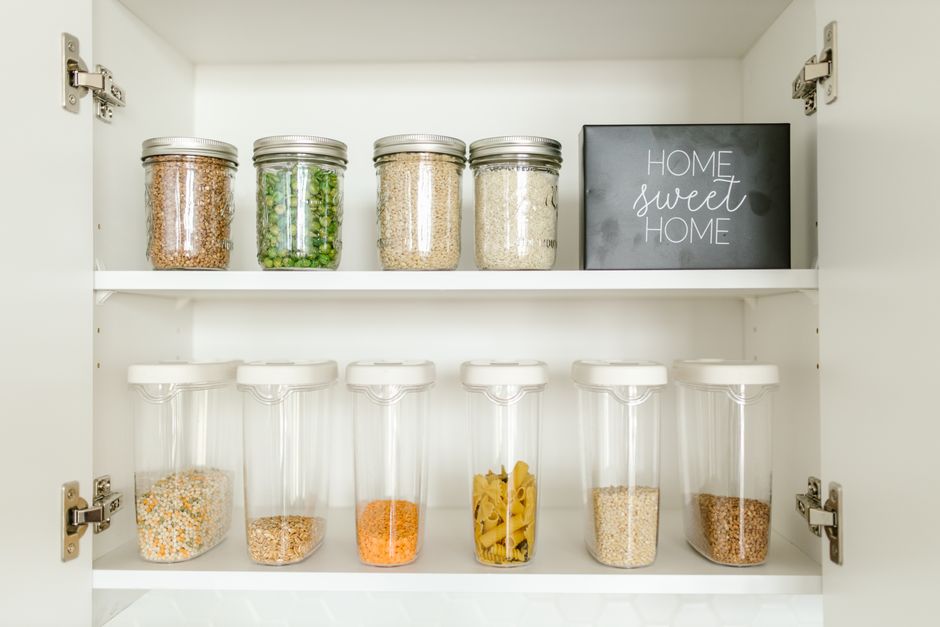
This is the final trap. You buy those beautiful open woven baskets. They look amazing on the shelf. Then you notice a thin layer of dust on everything inside after two weeks. And you can’t wipe the basket because it’s woven. You have to take everything out, shake the basket outside, and put everything back. I did this exactly once before I switched.
Open bins collect dust. If your closet has any air movement at all (and every closet does), dust settles on whatever’s inside. If you want open bins for aesthetic reasons, only store items that don’t mind dust: blankets, towels, items in sealed packaging. Never store clothes you wear against your skin in open bins.
For everything else, use bins with lids or covers. The IKEA SAMLA Box with Lid ($3.99 for the 11-gallon size) is cheap, clear, and the lid clips shut. It’s not pretty. But it keeps dust out. And you can stack it. The mDesign Clear Acrylic Lidded Bins ($24.99 for a set of three) look much better and the lids are hinged so you don’t lose them. I use these for my everyday accessories and they’ve been dust-free for two years.
One last tip: if you absolutely must have open bins, vacuum the inside of the bin every time you vacuum the floor. Set a reminder on your phone. Otherwise, you’ll be washing your scarves every three months for no reason.
Here’s what I’ve learned: the best closet organizer container is the one you actually use. If it’s pretty but you hate pulling it out, it’s useless. If it’s ugly but you can grab it, open it, and find your stuff in three seconds, it’s perfect. Buy for function first, aesthetics second.