How to Design a Bedroom That Doubles as a Home Gym
How to Design a Bedroom That Doubles as a Home Gym
Most people assume a home gym needs dedicated space — a basement, a garage, or at minimum a room that serves no other purpose. The spare bedroom gets dismissed as too small, too carpeted, and too bedroom-like to function as a real workout space. That assumption is wrong, and it’s keeping a lot of perfectly usable rooms empty.
A spare bedroom is often the best room in the house for a gym conversion. It’s climate-controlled, has a closable door for privacy, typically gets decent natural light, and has walls you can anchor equipment to. The real obstacles aren’t structural — they’re about making the right layout and design choices before you spend a dollar on equipment.
This guide walks through the full process: how to plan the space, which flooring and storage decisions actually matter, what gear earns its floor footprint, and how lighting and color choices take a functional room from improvised to intentional.
Why Spare Bedrooms Are Better Gym Spaces Than You Think
The math on bedroom gym space gets misrepresented constantly. A 10×12 room (120 square feet) sounds restrictive until you map out what a focused workout actually requires: a 6×4-foot mat for floor exercises, a few feet of clearance to move, and wall space for a mirror. That’s roughly 50–60 square feet of active use. The rest is storage and buffer.
The problem isn’t room size — it’s equipment selection. People try to fit a commercial-sized treadmill, a full power cage, and a rowing machine into 120 square feet, then wonder why the room feels unusable. The right approach is to choose equipment that earns its floor footprint:
- Bowflex SelectTech 552 adjustable dumbbells ($299/pair) — replace 15 separate dumbbell sets in the footprint of two shoe boxes
- IKEA HOVET full-length mirror ($149, 78×23 inches) — makes the room read larger and gives form feedback during every set
- Rogue MG-2 wall-mounted pull-up bar (~$85) — zero floor footprint, rated to 500 lbs
- A 6×4 rubber-backed exercise mat for floor work, stretching, and bodyweight training
Four items. Total active floor use: under 50 square feet. The other 70 is your workout zone.
The Ceiling Height Reality Check
Standard residential ceilings run 8 feet. That clears most movements cleanly — dumbbell work, resistance bands, yoga, jumping jacks, stretching. It gets tight for kettlebell swings (which need 9+ feet to be safe overhead) and barbell pressing. If those are central to your training, measure before buying. For everyone else, 8 feet is a non-issue.
Before mounting anything to the walls: locate the studs. A pull-up bar bolted into drywall alone will fail under load. A Zircon StudSensor e50 ($20 at any hardware store) finds them in minutes. Mark them in pencil on the back of your mounting bracket before driving a single screw.
Dead Space Most Bedroom Gyms Ignore
The space behind the door when it’s fully open is almost always wasted. A 36-inch door creates roughly 6 square feet of dead zone that can hold a wall-mounted rack for resistance bands, a hook strip for jump ropes, or a narrow shelf for accessories. An IKEA SKÅDIS pegboard panel ($15) mounts in minutes and turns that dead zone into the most organized spot in the room.
The area under the window is another overlooked zone. A low storage bench — the IKEA BRIMNES ottoman with storage ($80) — holds accessories, doubles as a box for step-ups, and looks like deliberate furniture rather than gym overflow. It’s the kind of piece that makes a dual-purpose room feel designed rather than improvised.
When to Keep the Bed in the Room
If the spare bedroom still sees regular guest use, keeping the bed is the practical call. Position it flush against one wall and claim the opposite corner and center floor as the workout zone. A 10×8-foot area handles almost every exercise except treadmill running — and a jump rope covers cardio in one-quarter of that footprint. The room doesn’t need to look like a gym all the time to function like one when you need it to.
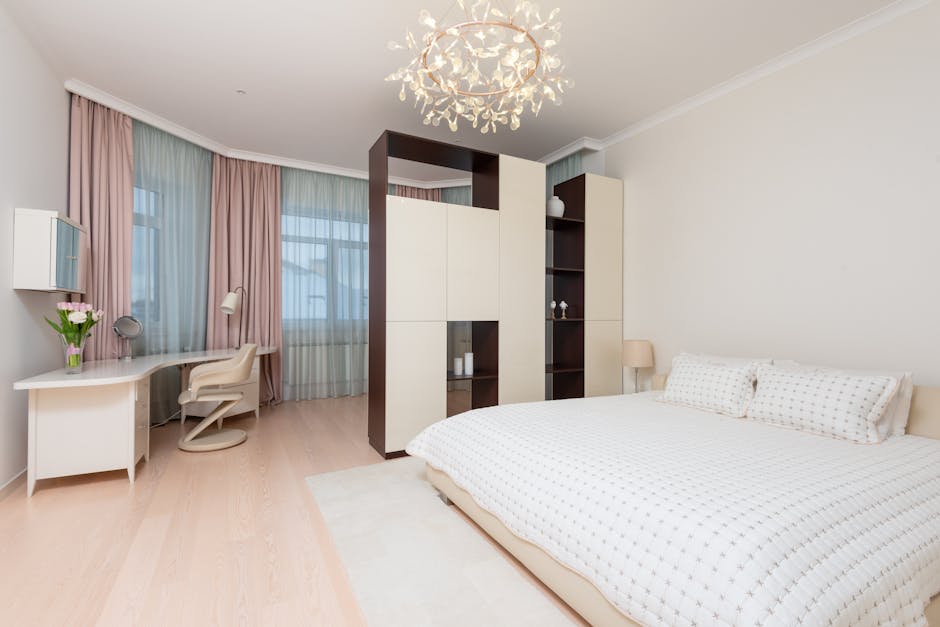
Layout Options That Determine Whether the Room Actually Works

The furniture arrangement determines whether you have a functional workout space or a room that’s technically a gym but feels like a hassle to use every morning. Three main layouts work across most bedroom sizes:
| Layout Type | Best For | Equipment Capacity | Main Drawback | Estimated Setup Cost |
|---|---|---|---|---|
| Full Conversion (gym only) | 100–150 sq ft rooms without regular guest use | Rack, bench, dumbbells, mat, mirror | Room loses sleeping function entirely | $500–$1,200 |
| Dual-Purpose (bed + gym) | 150–200 sq ft rooms | Adjustable dumbbells, mat, wall bar, mirror | Limited floor space for heavy equipment | $400–$900 |
| Zoned with Divider | 200+ sq ft or L-shaped rooms | Full gym setup on one side, bed on the other | Needs a visual separator to feel cohesive | $600–$1,500 |
For most spare bedrooms under 150 square feet, full conversion is the cleaner approach — especially when the room rarely hosts guests. The dual-purpose layout requires one additional decision: where equipment lives when it’s not in use. Wall-mounted storage (pull-up bars, hook rails, pegboards) is the answer — it keeps the floor clear overnight without requiring any physical rearrangement between modes.
The IKEA KALLAX as a Room Divider
The IKEA KALLAX shelving unit ($190 for the 4×4 configuration, 57×57 inches) is the most practical room divider available at this price for a bedroom gym. It physically separates the sleep zone from the workout zone, stores gym accessories in the cubes, and looks like a deliberate design decision rather than a partition thrown up out of necessity.
Position it perpendicular to the longest wall to create a visual barrier without blocking light or airflow. The open back lets air circulate through both zones. Add books or plants on the sleep-facing side and equipment on the gym side — the contrast makes each zone feel more intentional.
Mirror Placement: One Rule That Changes Form Feedback
The mirror goes on the wall you face during your primary exercises. This sounds obvious, but most people put it on a random wall or wherever it fits aesthetically. Bad placement means craning your neck during sets, which introduces the form problems the mirror was supposed to prevent.
For a 10×12 room with the workout zone on the south wall, the mirror goes on the south wall. Lean the IKEA HOVET against the wall for a few weeks before mounting it permanently — you’ll find that shifting its position a foot left or right can make a real difference in how well it covers your full range of movement.
Flooring, Storage, and the Four Details That Determine Daily Usability
This is where most bedroom gym setups fail — not in the big decisions, but in the small ones that make daily use either smooth or frustrating after a week. Fix these four things first:
- Replace the carpet in the workout zone. Carpet absorbs impact inconsistently, shifts under lateral movement, and develops an odor after a few weeks of consistent use. BalanceFrom GoFit Puzzle Exercise Mat tiles run $0.65–$0.80 per square foot — for a 10×10 workout zone, that’s $65–$80 total. They interlock cleanly, handle dropped dumbbells up to about 50 lbs, and lift up without damaging the subfloor. For heavy barbell work over 300 pounds regularly, Rubber Flooring Inc’s ¾-inch rubber sheets (~$1.80/sq ft) are more durable, but overkill for most setups.
- One container, all small accessories. Resistance bands, sliders, and jump ropes left loose become a tripping hazard within days. A single clear bin from The Container Store ($15–$25) solves this permanently. Thirty seconds to put things back after every session keeps the floor clear.
- A basic dumbbell rack before the third pair of dumbbells. The CAP Barbell A-Frame rack ($45) is the difference between a gym that looks organized and one that looks chaotic. It also protects the floor from weight damage and keeps dumbbells off the mat where they become hazards.
- A fan. The Honeywell HT-900 box fan ($25) pointed at the workout zone is non-negotiable for rooms without natural cross-ventilation. A spare bedroom with the door closed gets uncomfortable fast — even in moderate temperatures. If the room has a window and a door, opening both creates enough airflow to drop the effective temperature 5–8 degrees during a session without any fan at all.
None of these items costs more than $80 individually. Together, they’re the difference between a gym you use every day and one you abandon after two weeks because the daily friction is too high.
A Note on Soundproofing
For apartment dwellers or anyone with downstairs neighbors, impact noise from dropped weights transmits aggressively through floor joists. Foam tiles absorb some of it — not enough for heavy drops. The better answer is controlled lowering: don’t drop weights, lower them. This is also better training form. Acoustic panels on walls reduce sound reflection but do almost nothing for floor-transmitted impact vibration.
The One Gear Decision That Simplifies a Bedroom Gym Routine
Stop keeping separate gym shorts and swim trunks. If your home gym connects to outdoor workouts — pool sessions, morning runs, backyard training — the 7-inch quick-dry gym shorts with built-in mesh liner and zipper pocket ($14.99) cover both without compromise. Quick-dry fabric, no separate compression shorts needed, zipper pocket for a key or card. Rated 4.7/5 across 71 reviews — a reliable signal for gear at this price. Two pairs handle a full week of morning sessions without thinking about what to wear.
Lighting, Color, and the Finishing Details That Make the Room Feel Designed
Should you repaint a bedroom being converted to a gym?
Only if the current color is actively working against the room. Cool blues and greens — Benjamin Moore’s Newburyport Blue (HC-155) or Sherwin-Williams Adriatic Sea (SW 6767) — create a calm, focused environment suited to yoga and slow-paced strength work. Warmer tones in the orange-red range drive perceived energy and alertness. The effect isn’t dramatic, but it’s real enough to factor in when you’re painting anyway.
For a dual-purpose room that needs to work as both bedroom and gym, Benjamin Moore Chantilly Lace (OC-17) or Sherwin-Williams Extra White (SW 7006) are the safe bets. Both reflect light well, don’t fight with equipment colors, and read as a deliberate choice rather than a default. Either paints over easily if the room’s function changes down the line.
What lighting specification actually works in a home gym?
Target 4000K daylight LEDs at 800–1,000 lumens for the primary ceiling fixture. That’s cool white — bright enough to see form in a mirror clearly without the harsh overhead shadows that recessed can lights create during floor exercises. The Philips 10.5W A19 LED in Daylight ($8–$10 per bulb) hits this spec and fits standard sockets without any adapter.
Avoid 2700K warm white bulbs in the workout zone — they make the space feel like a bedroom even during a session, which is counterproductive when you want to feel alert and ready to move. If the room doubles as a sleeping space, a simple dimmer switch on the main circuit or a Philips Hue White Ambiance smart bulb (~$25 each) lets you drop brightness and color temperature at night without a second fixture.
Do blackout curtains make sense for a bedroom gym?
Yes, with one condition. If you sleep in the room and also train in it, NICETOWN thermal blackout panels ($30–$45 per pair) handle both modes cleanly: they block light during sleep and pull completely open during morning sessions when natural light beats any artificial equivalent for energy and alertness.
The condition: make sure the rod or track allows the curtains to stack completely clear of the window opening when open. Curtains that partially block daylight because they don’t stack far enough are a constant low-level frustration. IKEA’s VIDGA ceiling-mounted track system ($40–$60) gives precise control over panel position and works for most standard window sizes.
The spare bedroom that was quietly becoming a holding room for boxes and furniture without a permanent home doesn’t need a renovation to become the most-used space in the house. A mat, a mirror, adjustable dumbbells, a fan, and a clear floor get you most of the way there. Pull on a pair of quick-dry workout shorts and the room is ready to use before anything more complicated gets started.
The assumption that spare bedrooms make poor gyms falls apart the moment you measure the room and get specific about what you actually need it to do. A hundred and twenty square feet, handled with deliberate choices, is more functional training space than most people use in a commercial gym anyway.